Create a Backyard Haven: Wildlife Habitats That Thrive
Theme chosen: Creating Wildlife Habitats in Your Backyard. Discover practical steps, uplifting stories, and science-backed ideas for turning your outdoor space into a living refuge—one that buzzes, flutters, and sings. Subscribe for seasonal checklists and share your sightings with our community today.
Walk your backyard at sunrise, noon, and dusk. Track shade lines, warm corners against fences, and breezy spots near gaps. These subtle patterns determine which native plants will thrive and where amphibians or butterflies prefer to rest and feed.
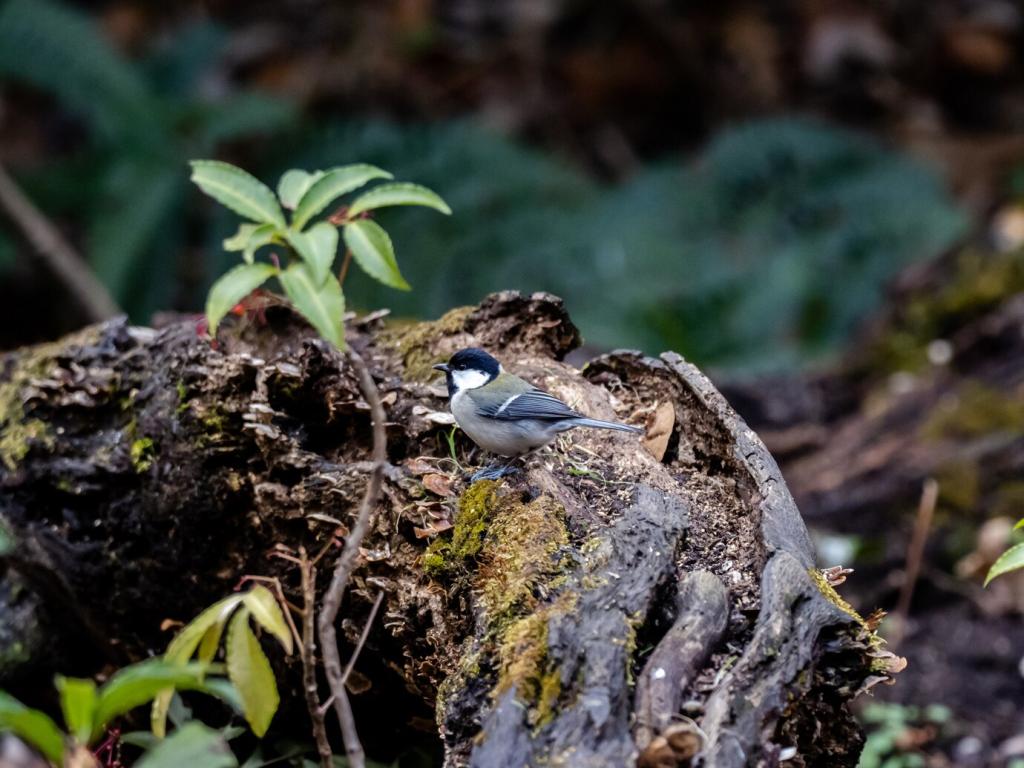
Combine groundcovers, grasses, shrubs, and one or two small trees to create sheltering layers. Chickadees, wrens, and beneficial insects need dense, varied structure to hide, rest, and nest. Layers also soften wind and provide year-round refuge from predators.
Provide a gently sloped basin ranging from about half an inch to two inches deep. Place it near shrubs for quick cover, but not so close that lurking predators can ambush. Refresh daily, and add a flat rock perch for butterflies and small birds.
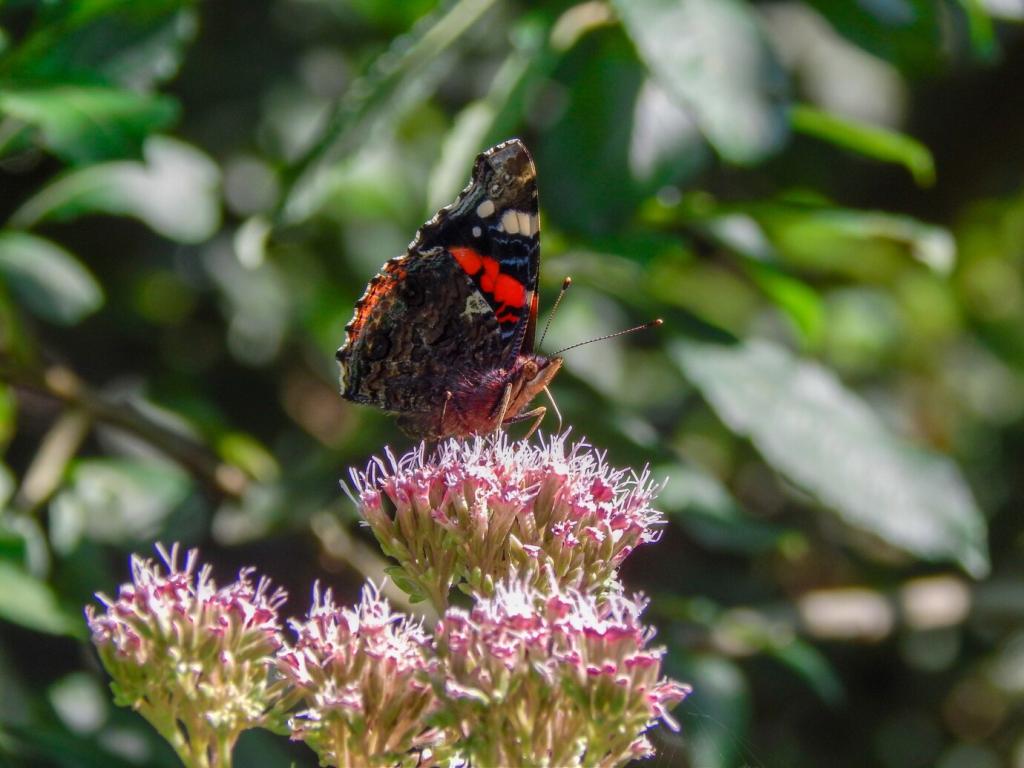
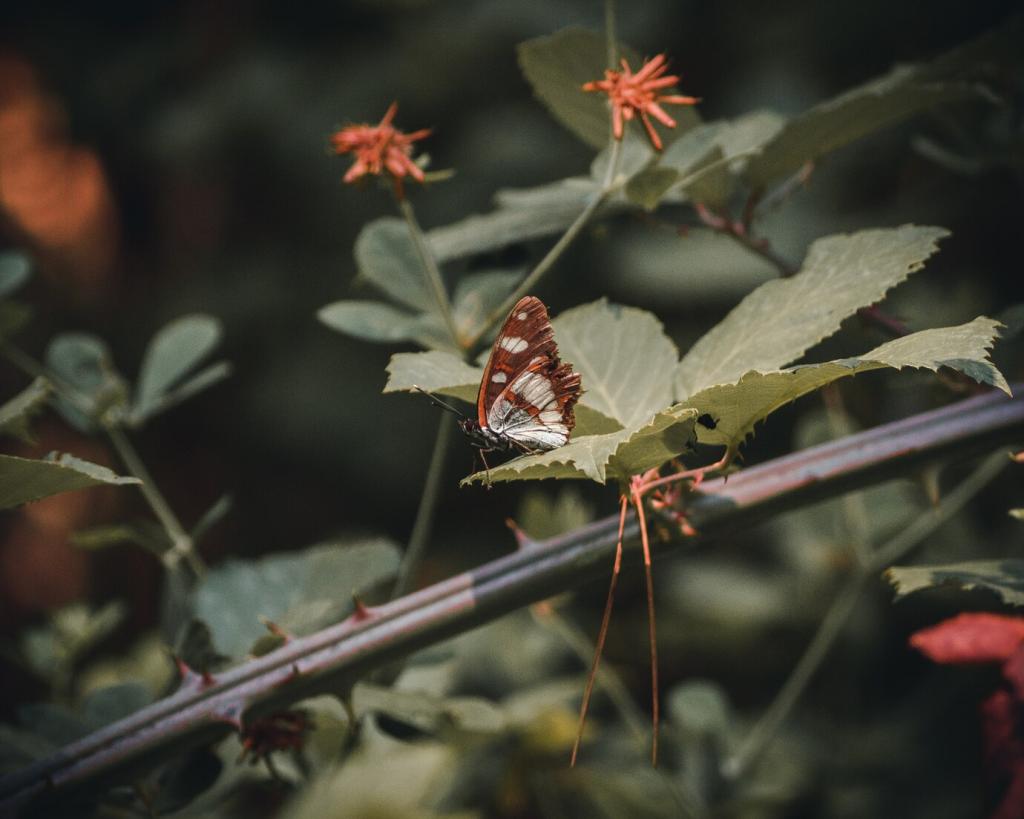
Plant nectar-rich natives like bee balm, penstemon, and asters, alongside larval host plants for butterflies. This approach nourishes both adults and caterpillars, ensuring future generations thrive and your backyard habitat keeps buzzing with purposeful, colorful life.
Food Without Feeding: Designing for Resilience
Resist the urge to cut everything back in fall. Leave coneflower, switchgrass, and sunflower seed heads standing. Birds glean nutrition during lean months, while hollow stems shelter overwintering bees that will reawaken with spring warmth.
Use warm, low-intensity lighting on motion sensors and go dark when possible. Night-flying moths, bats, and migrating birds navigate better without glare. Reduced noise and light pollution turn your backyard into a calm, starry sanctuary.
Ditch broad-spectrum pesticides and herbicides. Healthy habitats invite predators like lady beetles and lacewings to manage pests naturally. Hand-pick trouble spots, improve soil health, and embrace some nibbling as part of a lively, balanced ecosystem.
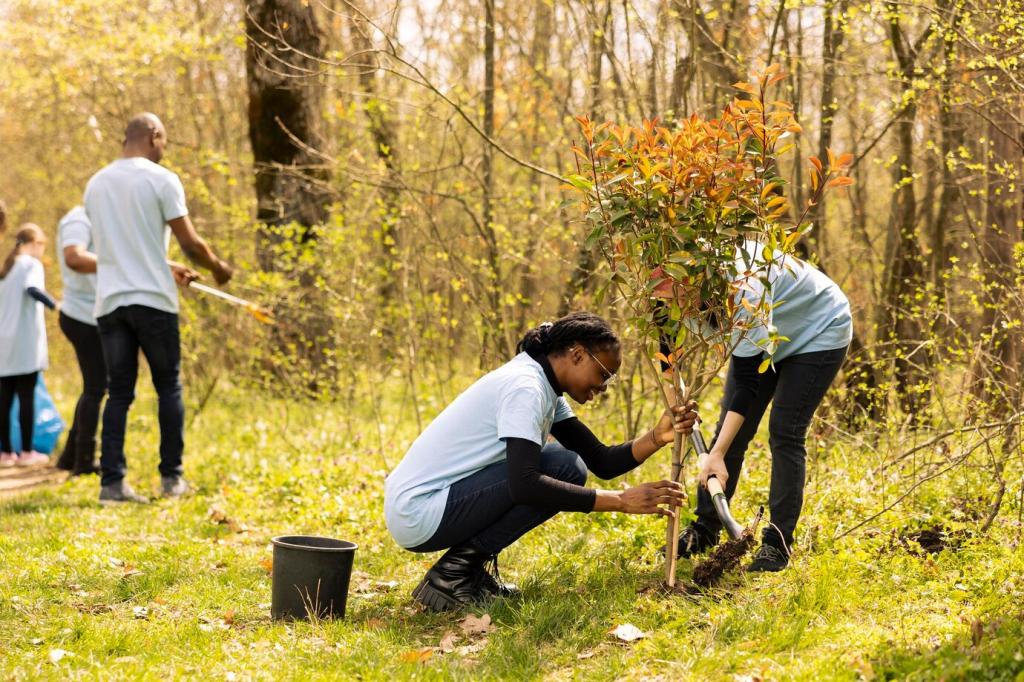
Talk with neighbors about native plant swaps, safer windows, and seasonal cleanups. Share resources and successes, and coordinate pet routines that respect nesting seasons. Community stewardship makes each backyard habitat stronger, safer, and more sustainable.
A Small-Yard Story and Your Turn
One reader replaced a patch of lawn with milkweed, asters, and a shallow saucer. Within weeks, monarch caterpillars chewed happily while goldfinches perched on seed heads. The change felt small, yet the life it attracted felt wonderfully immense.