Together, We Grow Wild: Community Projects to Boost Local Biodiversity

Chosen theme: Community Projects to Boost Local Biodiversity. Join neighbors, students, gardeners, and curious walkers as we turn everyday spaces into thriving habitats. Dive in for practical steps, real stories, and ways to get involved—subscribe, comment, and help your street come alive with native life.

From Vacant Lots to Micro-Reserves

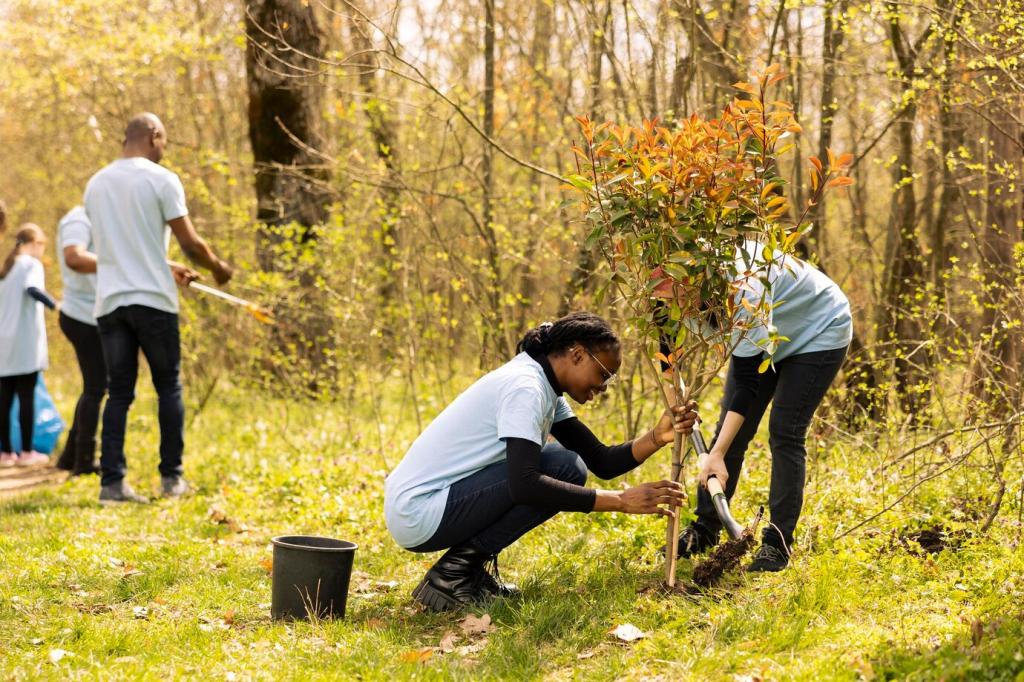
A neglected verge or vacant lot can become a tiny sanctuary when neighbors act together. One block’s wildflower strip attracts pollinators; three blocks create a corridor that butterflies, beetles, and songbirds can travel safely.

Keystone Species and Everyday Choices

Choosing native plants supports specialist insects that, in turn, feed birds and small mammals. A single oak or milkweed patch can anchor a surprising web of life when placed thoughtfully within walkable, community-managed greenspaces.

Start Here: A Neighborhood Playbook

Walk your streets and sketch green assets: yards, planters, medians, school edges, church lawns, and stormwater swales. Highlight gaps where native patches could link together, then invite neighbors to comment on your shared live map.

Start Here: A Neighborhood Playbook

Knock on doors, host a porch chat, and invite diverse voices—tenants, elders, teens, gardeners, and local shop owners. Agree on roles, watering schedules, and a monthly meetup. Ask readers to join by leaving a message below.

Designing Native Plant Habitats That Endure

Match sun, soil, and moisture to each native species. Combine early, mid, and late bloomers for continuous nectar. Include seedheads and leaf litter for winter shelter, and post a sign inviting neighbors to learn and subscribe.

Community Science: Data That Brings Projects to Life

Before planting, document what already lives there—pollinators on sunny days, birds at dawn, and soil texture after rain. Repeat every season and share results in a comment thread, inviting neighbors to add their notes.

Community Science: Data That Brings Projects to Life

Use widely available apps to photograph plants and insects, log sightings, and map blooms. Create a shared project page for your street so newcomers can contribute data and subscribe for monthly highlights and learning prompts.

Education and Storytelling that Invite Everyone In

Pair teens with elders for seed-saving and bird ID. Create kid-led pollinator parades past new plantings. Capture quotes and photos for your newsletter, and ask readers to share their first nature memory in the comments today.

Education and Storytelling that Invite Everyone In

Use clear, friendly signs explaining why leaves stay on beds in winter or why flowers look wild. Offer QR codes to audios or translations. Encourage visitors to subscribe for seasonal tips and volunteer opportunities.

Policies, Partnerships, and Stewardship for the Long Haul

01

Align with Local Plans and Public Agencies

Ask parks, schools, and public works how your patch can support stormwater goals, tree canopy targets, or heat relief. Joint goals unlock permissions faster and invite officials to follow your progress and subscribe for updates.
02

Schools, Faith Communities, and Small Businesses

Adopt a planter per classroom, create quiet pollinator corners near gathering spaces, and place window decals at supportive shops. Partners host events, share watering duties, and amplify calls for volunteers across neighborhoods.
03

Funding Resilience, Transparent Budgets

Mix micro-grants, seed donations, and tool libraries. Publish simple budgets and wish lists so supporters can help. Invite readers to comment with funding ideas, commit to a monthly gift, or lend a wheelbarrow on planting day.
Lowestpricejerky
Privacy Overview

This website uses cookies so that we can provide you with the best user experience possible. Cookie information is stored in your browser and performs functions such as recognising you when you return to our website and helping our team to understand which sections of the website you find most interesting and useful.