Biodiversity Conservation Tips for Schools: From Playground to Pollinator Haven

Chosen theme: Biodiversity Conservation Tips for Schools. Let’s turn every campus corner into a living classroom where curiosity and care grow together. Last spring, a shy fourth-grader named Mia spotted a ladybird on a sunflower she planted; weeks later, she led an assembly about protecting small lives. Join us, share your wins, and subscribe for more field-tested inspiration that helps your school protect biodiversity, season after season.

Begin with a Living Baseline

Give students clipboards and curiosity. In a single recess, tally birds, insects, plants, fungi, and signs of life. Photograph findings and note locations to spark immediate questions and comparisons across seasons.
Get on hands and knees. Gently sift leaf litter, examine soil, and check under stones for beetles, springtails, and worms. Remember microhabitats matter, revealing hidden biodiversity often missed by quick, standing surveys.
Turn counts into a color-coded map that highlights hotspots and gaps. Use it to prioritize planting, schedule stewardship days, and set measurable goals students proudly track together.

Grow Native, Grow Belonging

Plant regionally native flowers in staggered bloom times to feed bees, butterflies, and beetles from spring through fall. Third-graders at Maple Grove watched monarchs return after adding milkweed near the playground. Students tracked chrysalises and shared weekly updates with families.

Grow Native, Grow Belonging

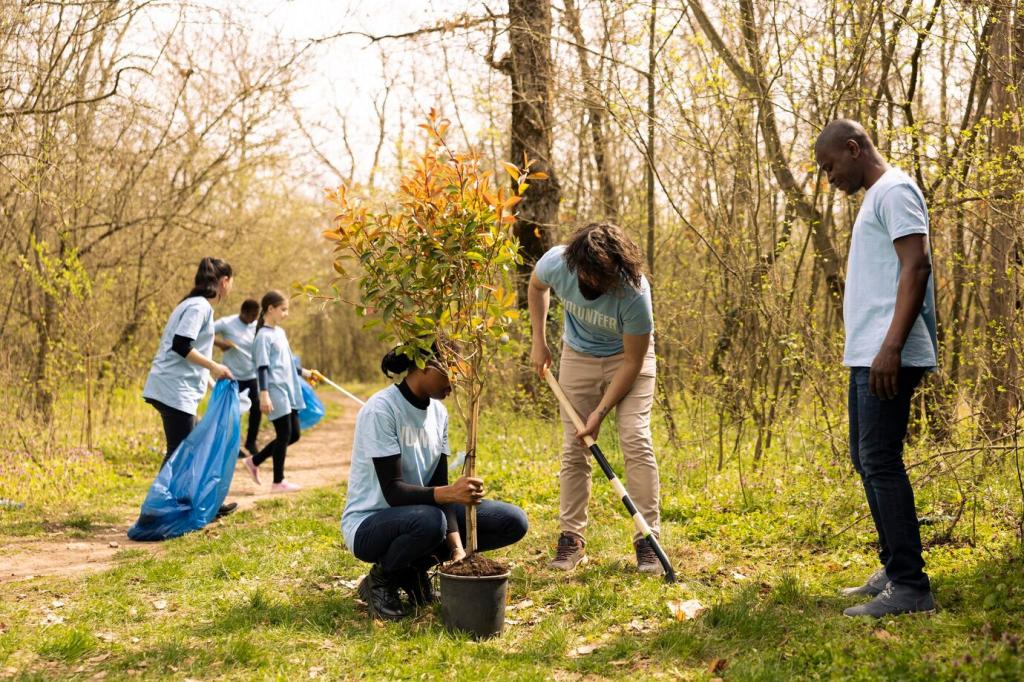
Choose native canopy and understory species. A single mature oak can support hundreds of insect species, which in turn nourish birds. Students can adopt trees, monitor growth, and design protection signs to invite respect.

Grow Native, Grow Belonging

Leave small edges unmown during peak flowering. Post cheerful explanations so parents understand the purpose. These patches shelter ground-nesting bees, spiders, and toadlets, while reducing maintenance time and mower emissions.

Grow Native, Grow Belonging

Lorem ipsum dolor sit amet, consectetur adipiscing elit. Ut elit tellus, luctus nec ullamcorper mattis, pulvinar dapibus leo.

Turn Lessons into Habitats

Graph pollinator visits per flower type, calculate means, and test hypotheses. Students discover statistics come alive outdoors, especially when a bumblebee surprises them by hovering like a tiny helicopter over their clipboard.

Turn Lessons into Habitats

Design ceramic bee hotels, paint signage that identifies native species, and create murals showing seasonal changes. Art amplifies stewardship by making habitats visible, beautiful, and personal to younger learners and families.

Reduce, Reuse, Restore for Biodiversity

Cafeteria scraps become compost for garden beds. Student teams manage bins, monitor temperature, and celebrate the first dark, rich soil. Suddenly, banana peels transform into habitats for microbes and food for future flowers.

Reduce, Reuse, Restore for Biodiversity

Organize a month-long challenge to reduce single-use plastics. Track counts weekly, share tips, and celebrate clever reusables. Less plastic means cleaner drains and fewer microplastics washing into local streams after storms.

Citizen Science and Partnerships

iNaturalist or Seek bioblitz weekend

Host a weekend bioblitz with families and neighbors. Use phone apps to identify species, then compare results year to year. Partnerships grow naturally when communities explore and celebrate nature together.

Bird counts with local experts

Invite a birder to lead an early walk. Hearing a robin’s dawn chorus beside curious students gives goosebumps and cements identification skills quickly. Share recordings and encourage families to join next time.

Learning with Indigenous knowledge keepers

Collaborate respectfully with local Indigenous educators to understand seasonal indicators, plant uses, and reciprocal care. Students learn biodiversity is relationship, responsibility, and gratitude, not just lists of species on clipboards.

Student Leadership and Policy

Form a student-led eco-club to maintain habitats across seasons. Assign rotating crews for watering, weeding, and monitoring. Publish a calendar so families can volunteer and celebrate milestones together at assemblies.
Lowestpricejerky
Privacy Overview

This website uses cookies so that we can provide you with the best user experience possible. Cookie information is stored in your browser and performs functions such as recognising you when you return to our website and helping our team to understand which sections of the website you find most interesting and useful.