
Simple Ways to Promote Biodiversity at Home
Chosen theme: Simple Ways to Promote Biodiversity at Home. Welcome! Let’s invite nature to our doorsteps with easy, joyful habits that turn windowsills, balconies, and backyards into vibrant micro-habitats. Follow along, share your sightings, and subscribe for seasonal checklists and fresh inspiration.
Start With Native Plants
Begin with three native species that thrive in your region and sunlight. In my tiny yard, one milkweed, one coneflower, and one native grass brought bees, butterflies, and sheltering crickets within weeks. Share your trio in the comments.
Start With Native Plants
Combine groundcovers, mid-height perennials, and a shrub or small tree to mimic natural structure. Layering creates niches for pollinators, nesting birds, and beneficial insects. Post a photo of your layered corner and inspire a neighbor to try.
Start With Native Plants
Plan early, mid, and late blooms to keep nectar flowing from spring to frost. When one plant fades, another should peak. Tell us which plant anchors your earliest flowers and which holds the last bees of autumn.
Create A Micro Water Station
Set a shallow dish with pebbles so bees can land safely. Change water every few days to keep it fresh. Last summer, our pebble saucer became a butterfly stopover. Who visited your water station this week?
Keep Leaves And Fallen Sticks
Leave a small leaf-litter patch and a few sticks in a corner. These quiet places shelter beetles, spiders, and overwintering pollinators. Share how you balanced a tidy path with a cozy, hidden wildlife nook.
Build A Simple Bug Hotel
Bundle hollow stems, drill holes in a log, or stack bamboo pieces. Mount under an eave to stay dry. Our first resident was a curious mason bee. Post a picture of your bug hotel and any tiny tenants you spot.
Compost And Mulch Gently
Add kitchen scraps and leaves to a small compost, then mulch beds with finished compost or shredded leaves. You will feed soil life, conserve moisture, and reduce waste. Tell us your easiest composting habit that actually stuck.
Disturb Soil Less Often
Avoid frequent digging or tilling. Lightly plant among existing roots and top-dress instead. Minimal disturbance protects fungal networks and tiny burrowers. Comment if no-dig beds changed your garden’s texture, worm activity, or watering routine.
Keep Roots In Year-Round
Cover bare earth with living roots or cover crops in off-seasons. Root exudates feed microbes and stabilize soil. What winter-green or cold-hardy species will you try to keep your soil community humming?
Reduce Chemicals, Invite Balance
Many garden sprays harm beneficial insects alongside pests. Start by observing before acting, and accept a little leaf nibbling. Share a before-and-after story where patience allowed lady beetles or lacewings to solve a problem naturally.
Reduce Chemicals, Invite Balance
If action is needed, handpick pests, prune affected leaves, or use traps sparingly. Spot-treating protects allies. Which tiny tool or tactic helped you manage pests without losing bees, butterflies, or soil critters?
Dim And Shield Outdoor Lights
Use warm bulbs, motion sensors, and downward shields to reduce skyglow that attracts and confuses insects. Try a lights-out hour near peak migration. Who else is joining for a weekly dark night challenge?
Make Windows Bird-Friendly
Break reflections with decals, cords, or closely spaced patterns on problem panes. Millions of birds strike windows annually. Which window treatments reduced reflections at your home, and did you notice fewer feathered thuds afterward?
Create Clear Wildlife Routes
Leave gaps under fences for small mammals and keep pathways open under shrubs. Even a narrow corridor helps movement. Share a sketch of your yard’s new wildlife route and any surprising visitors that followed it.
Balconies, Windowsills, And Small Spaces
Grow A Diverse Container Mix
Combine native flowers, a grass, and an herb in clustered pots. Grouping containers creates a bigger signal for pollinators. Post your smallest successful container combo and the first pollinator that discovered it.
Go Vertical With Purpose
Add a trellis for native vines, hanging baskets, and window boxes with staggered bloom times. Vertical diversity doubles habitat. What vertical addition would transform your balcony into a buzzing, fluttering little canopy?
Micro Water And Safe Nests
Offer a tiny water dish, add short hollow stems, and leave a corner undisturbed. Our fourth-floor basil pot hosted leafcutter bees one summer. Tell us where you will tuck a quiet nesting nook.
Catch The Rain, Share The Shade
Install A Simple Rain Barrel
Collect roof runoff and water your native beds gently during dry spells. Cover the barrel to prevent mosquitoes. Do you track how many watering cans you save each month by catching the rain?

Observe, Celebrate, And Share
Keep A Simple Nature Log
Note first blooms, visiting species, and weather shifts. Patterns appear quickly, guiding better plant choices. What surprised you this month—an unexpected moth, an early flower, or a hidden nest?
Join Community Science
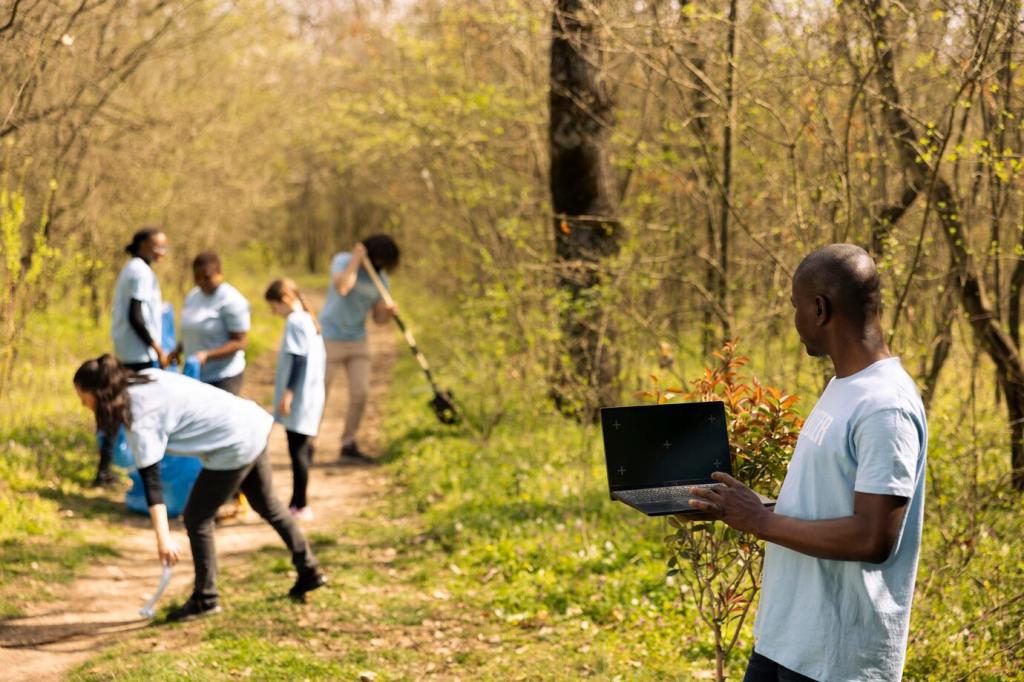
Use platforms like iNaturalist or eBird to identify visitors and contribute data. Your backyard becomes a research site. Drop your profile link so we can follow your discoveries and cheer you on.