Cultivating Life: Practices for Enhancing Biodiversity in Agriculture
Chosen theme: Practices for Enhancing Biodiversity in Agriculture. Welcome to a living landscape where fields hum with pollinators, soils teem with invisible allies, and harvests grow steadier through diversity. Join our community, subscribe for field-tested ideas, and share how biodiversity reshapes your farm.
Why Biodiversity Matters on the Farm
Natural resilience and yield stability
When farms host many species, pests meet predators, soils hold more water, and crops ride out weather swings with fewer surprises. Biodiversity spreads risk across time and space. Tell us how diversity has softened a tough season for you.
The hidden economy of ecosystem services
Pollination, biological pest control, and nutrient cycling quietly reduce inputs while sustaining yields. Planting habitat, rotating crops, and nurturing soil life all compound benefits. Track your savings and performance, and comment with the practices that moved your numbers most.
A story from a windy ridge
On a gusty hillside, a simple hedgerow added shelter and life. The following spring, lady beetles clustered early, aphids faded, and the farmer noticed steadier set on beans. Share your own turning-point moment and inspire another grower.
Soil-Centered Strategies: Cover Crops and Reduced Tillage
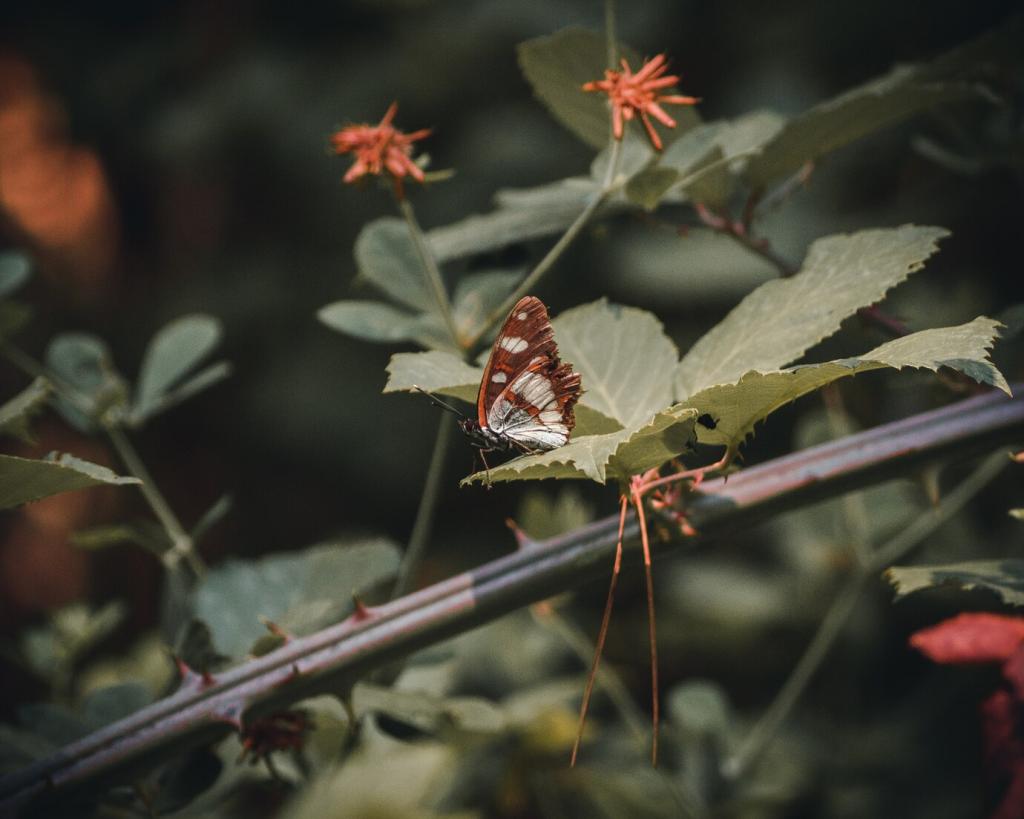
Mix legumes, grasses, and brassicas to feed microbes and offer continuous bloom. Buckwheat, clover, vetch, and phacelia draw pollinators while fixing nitrogen and scavenging nutrients. Comment with your favorite mixes and timing tricks for seamless termination.
Intercrop species that share light and rooting niches while deterring pests, like grains with legumes or brassicas with aromatic herbs. Monitor stand density and harvest logistics. Tell us how you balanced competition with cooperation in the field.
Rotations that break cycles
Rotate families and maturities to starve pathogens and confuse pests. Include a restorative year with cover crops or forage. Comment with rotation maps and what finally broke a stubborn disease or weed pattern on your acres.
Agroforestry alleyways
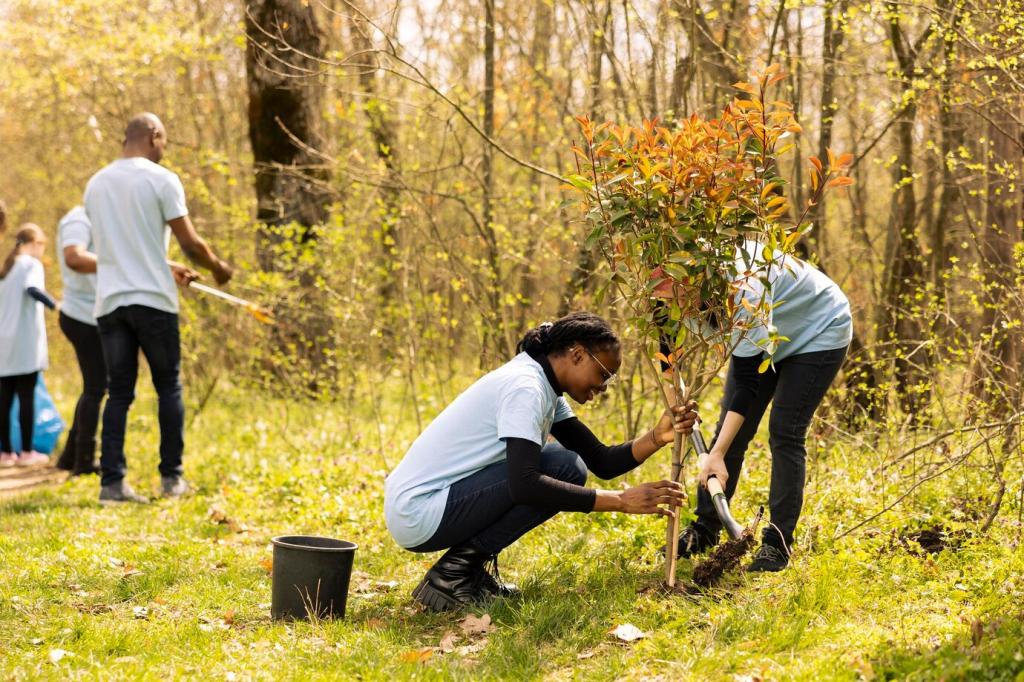
Rows of trees or shrubs paired with crops or forage create shade, shelter, and perennial roots that stabilize soils. Choose species that offer habitat and products. Share spacing, pruning rhythms, and wildlife sightings from your alley-cropping trials.
Water and Edges: Ponds, Wetlands, and Riparian Buffers
Even modest ponds attract dragonflies and frogs that hunt crop pests. Add native aquatic plants, gentle slopes, and nearby flowering strips. Post photos through the seasons and note which visitors arrive as your pond matures.
Water and Edges: Ponds, Wetlands, and Riparian Buffers
Reconnected wetlands slow runoff, trap sediments, and provide breeding habitat during critical windows. Design for overflow routes and periodic maintenance. Ask the community about permitting steps and share your monitoring tips for documenting biodiversity gains.
Living with Wildlife: IPM, Nesting, and Grazing Plans
Integrated pest management with allies
Scout, set thresholds, and release or attract natural enemies before spraying. Flowering refuges, banker plants, and careful timing can tip the balance. Share your scouting sheets and what convinced you to trust beneficial insects.
Homes for helpful neighbors
Install nest boxes for barn owls, perches for raptors, and bee hotels near diverse forage. Protect overwintering leaf litter and deadwood where safe. Comment with designs, placements, and the moment you first noticed results in the field.
Grazing that grows diversity
Rotational grazing creates varied heights and microhabitats, boosting forbs, insects, and birds. Rest periods matter. Post your grazing charts, recovery intervals, and the plant or bird return that told you the plan was working.